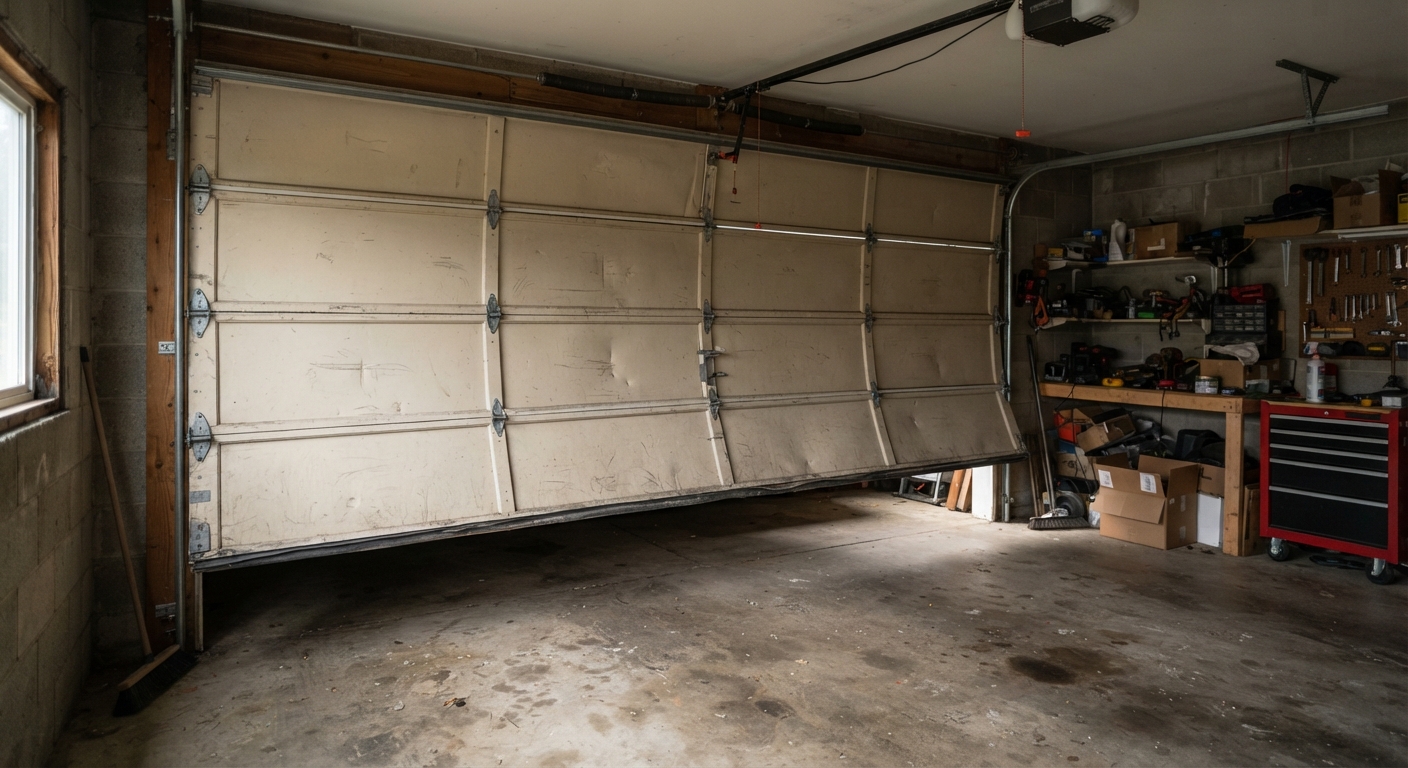
A garage door can seem simple until it stops moving properly. A door that will not open, closes unevenly, scrapes along the track, or leaves a gap at the bottom can affect access, security, and daily routines. For property owners in Concord, Ontario, knowing what to check before arranging garage door repair can save time and help prevent a small fault from becoming a larger one.
Summit premium services Inc is a garage door supplier serving Concord. This guide covers practical observations you can make safely, warning signs that call for qualified attention, and useful information to gather before discussing a repair.
What should you check when a garage door stops working?
Start with the simplest possibilities. If the door has an automatic opener, check whether the opener has power. Look at the outlet, the opener light, and any wall control. A remote with a weak battery can also create a false impression that the entire system has failed. Try the wall control if it is accessible and appears intact.
Next, look at the door from a safe distance. Check whether it is fully closed, partly open, or sitting at an angle. Notice any unusual sounds, such as grinding, popping, scraping, or a sudden snap. These details can help identify whether the problem may involve the track, rollers, hinges, springs, cables, opener, or the door sections themselves.
Do not stand beneath a partially open door while testing it. Do not pull on loose cables or try to force a door that feels unusually heavy. A garage door contains components under significant tension, and a sudden movement can cause serious injury or additional property damage.
Which garage door problems are common?
The door will not open or close
This may be related to the power supply, remote control, wall control, opener settings, or an obstruction near the floor. Some doors also reverse when the safety sensors detect something in their path. Check that the sensor area is clear and that nothing is blocking the door opening. Avoid adjusting wiring or internal opener components unless you have the correct training.
The door moves unevenly
An uneven door may have a damaged roller, a bent section, a problem with a hinge, or an issue with the track. It may also indicate that the door is no longer balanced correctly. Uneven movement places extra strain on the opener, so repeated operation can make the damage worse.
The door makes scraping or grinding sounds
Noise can come from worn rollers, loose hardware, misalignment, or contact between the door and track. A little routine noise is common, but a sudden change deserves attention. Listen for where the sound occurs, then stop operating the door if the noise is accompanied by shaking, binding, or visible movement in the track.
The door closes but leaves a gap
A gap may be caused by a worn bottom seal, an uneven floor, a damaged section, or a door that is no longer travelling squarely. In Concord, seasonal changes can make seals harder or less flexible over time. A damaged seal can allow drafts, dust, insects, or water to enter, depending on the location and condition of the garage.
When is garage door repair a safety issue?
Some signs should be treated as reasons to stop using the door until it has been assessed. These include a hanging cable, a broken spring, a door that has come off its track, a visibly bent track, a loose panel, or a door that drops quickly. A loud snap followed by a heavy or immovable door can also point to a serious mechanical failure.
Do not attempt to remove or replace a spring, unwind a torsion component, reconnect a cable, or force rollers back into a track. These jobs require the right tools and a clear understanding of how the door carries its weight. Keeping the area clear is the safest immediate step. Move vehicles and stored items away from the door if you can do so without touching the damaged components.
Broken glass needs separate care. Keep children and pets away from the area, avoid handling loose shards, and do not operate the door if glass is part of a moving section. Broken Glass Repair may be needed, but the surrounding frame and door movement should also be considered before the system is used again.
Can you perform any basic checks yourself?
Safe visual checks are reasonable. You can inspect whether the track is visibly obstructed, confirm that the doorway is clear, replace a remote battery, and note whether the wall control responds. You can also look for loose screws or hardware without removing covers or working near springs and cables.
Cleaning visible dirt from the photo-eye sensor area may help when the opener reverses unexpectedly. Use a soft, dry cloth and avoid changing the sensor position. If the sensors appear cracked, loose, or damaged, stop there and arrange an assessment.
Lubrication should be approached carefully. Different door and opener components may require different products, and applying lubricant to the wrong area can attract grit or affect the door surface. A supplier or qualified repair professional can advise on the correct product for the specific door system.
How can you prepare for a repair discussion?
Good information makes the first conversation more useful. Record the door brand or model if it is visible, describe whether the door is single or double width, and note whether the problem affects manual operation, automatic operation, or both. If it is safe, take photographs from a distance showing the full door, the track, and any visible damage. Do not remove covers to obtain a closer image.
Also note when the problem started. Was there a loud sound, impact, storm, or gradual increase in noise? Does the door fail at the same point every time? Does the opener run while the door stays still? These details help distinguish between an issue with the door itself and an issue with the opener or controls.
If the property has more than one garage door, identify the affected opening clearly. For commercial properties, include the operating schedule and whether the door is needed for deliveries, vehicles, staff access, or security. Commercial Door repair can involve different operating demands than a residential door, so usage information matters.
What related services may be relevant?
A garage door problem can overlap with other building access concerns. Damaged hinges may affect how a commercial door folds or travels, while a broken window section may affect security and safe operation. If the issue involves a lock, lost key, or access hardware rather than the door mechanism, Locksmith Service may be the more relevant category to discuss.
For commercial locations, hinge condition deserves close attention. A door that is noisy, stiff, or visibly misaligned may need Commercial Hinge Repair as part of the wider assessment. Do not assume that replacing one visible part will solve the problem if the door has been operated while misaligned.
How can Concord property owners reduce repeat problems?
Keep the door path clear and avoid storing heavy items where they can strike the door or block the sensors. Ask everyone who uses the door to report changes in sound, speed, or balance instead of continuing to operate it. A small issue is easier to investigate before a roller breaks, a panel bends, or an opener is forced to carry an abnormal load.
Schedule attention when the door begins behaving differently, even if it still opens. Write down recurring symptoms and keep photographs of visible damage. These simple habits give a repair discussion a clearer starting point and help protect the door from avoidable stress.
For local guidance, Summit premium services Inc serves Concord as a garage door supplier. Visit the Summit premium services Inc website to learn more about the company and discuss your garage door needs.